
North Central · Nigeria
Federal Capital Territory
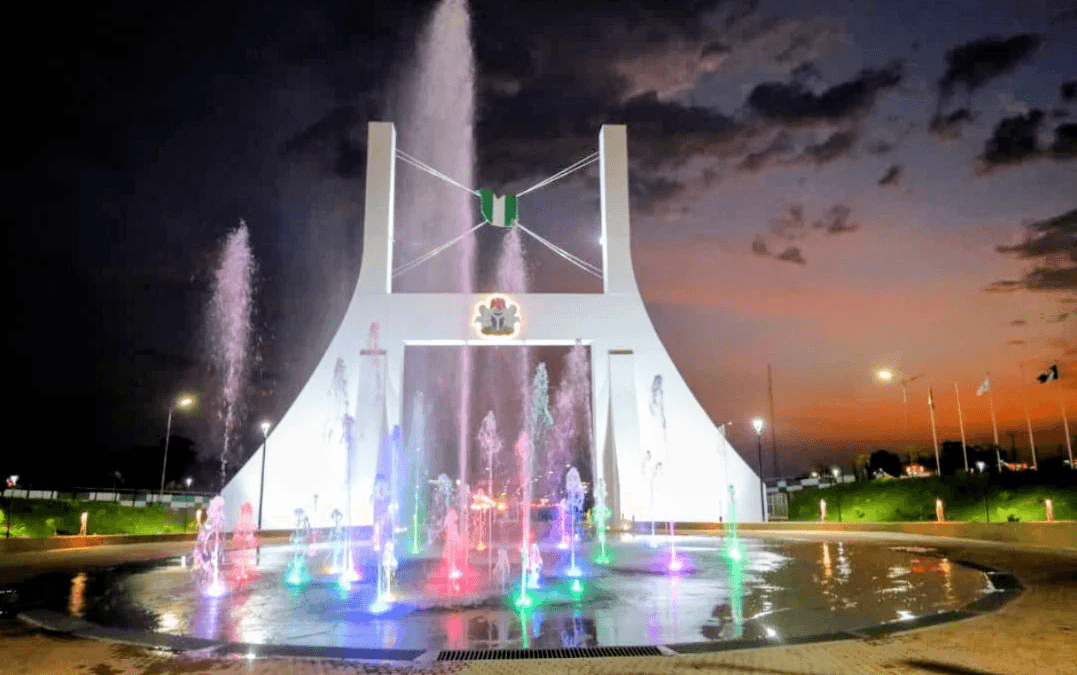
Where Nigeria comes together. At the centre of Nigeria lies a capital built around connection. The Federal Capital Territory is more than the administrative centre of the country. It is a destination of dramatic landscapes, national monuments, contemporary city life, culture, business and hospitality.
The guide
What to know before you go
The Federal Capital Territory occupies a strategic position in central Nigeria and is home to Abuja, the nation's capital.
Unlike Nigeria's states, the FCT is a federal territory. Its landscape is characterised by rolling terrain, hills, valleys, savannah and distinctive rock formations.
Abuja was conceived as a new national capital and has grown into one of Nigeria's most important centres for government, diplomacy, business, conferences, hospitality and international engagement.
But the FCT is not only about the city.
Beyond the central districts are communities, hills, lakes, waterfalls, farms and open landscapes that reveal a quieter side of the territory.
This makes the FCT particularly distinctive: the political capital of Nigeria is also a gateway to some of the country's most accessible central landscapes.
Why Visit the FCT?
Experience Nigeria's capital
Abuja is where Nigeria's national story is visible every day.
Government institutions, diplomatic missions, national monuments, cultural spaces, major events and international businesses give the city an atmosphere unlike anywhere else in the country.
See the landscape that shaped Abuja
The city's identity is inseparable from its surrounding hills and rock formations.
Aso Rock, Zuma Rock and the many elevated landscapes around the territory give Abuja a dramatic natural setting.
Discover contemporary Nigerian life
Abuja has developed a sophisticated hospitality, dining, entertainment and lifestyle scene.
Restaurants, cafés, lounges, hotels, galleries and events provide visitors with an increasingly diverse urban experience.
Explore beyond the city
The wider FCT offers waterfalls, lakes, hills, forests, farms and rural communities that can be reached through day trips and weekend excursions.
Experience Nigeria's national identity
Few places offer such a concentrated view of Nigeria's diversity.
People from across the country live, work and gather in Abuja, making the capital one of the country's most naturally multicultural environments.
Places to Discover
Abuja City
The centre of the FCT and one of Nigeria's most recognisable cities.
Abuja's broad avenues, planned districts, modern architecture, diplomatic presence, restaurants and hospitality industry make it an important destination for both leisure and business travellers.
The city is also the natural starting point for exploring the wider territory.
Aso Rock
The defining natural landmark of Abuja.
Rising dramatically beside the city, Aso Rock forms one of the most recognisable landscapes in Nigeria.
The rock and surrounding area are closely associated with Nigeria's national institutions and provide a powerful visual introduction to the capital.
National Assembly Complex
An important symbol of Nigeria's democratic institutions.
The National Assembly complex forms part of the architectural and political landscape of the capital and contributes to Abuja's identity as the country's seat of government.
National Mosque
One of Abuja's most recognisable landmarks.
Its distinctive architecture and prominent position within the city make it an important part of the capital's skyline and religious heritage.
The surrounding area also forms part of Abuja's wider civic landscape.
National Christian Centre
Another defining landmark of the capital.
The National Christian Centre is recognised for its distinctive architectural form and its place within Abuja's national and religious landscape.
Together with the National Mosque, it reflects the religious diversity visible across the capital.
Millennium Park
One of Abuja's best-known urban green spaces.
The park provides an opportunity to step away from the city's busy streets and experience landscaped gardens, open spaces and greenery within the capital.
It is particularly suited to relaxed walks, family outings and outdoor leisure.
Abuja National Stadium
A major sporting and events venue in the capital.
The stadium and surrounding sports infrastructure contribute to Abuja's role as a destination for major sporting, entertainment and national events.
Arts & Crafts Village
A useful introduction to Nigeria's creative traditions within the capital.
Visitors can explore crafts, artworks, textiles, sculptures and locally produced pieces while interacting with artisans and traders.
It is a natural stop for visitors looking to take a piece of Nigeria home with them.
Zuma Rock
One of Nigeria's most recognisable natural landmarks.
Located just outside the FCT near the boundary with Niger State, Zuma Rock rises dramatically from the surrounding landscape.
Its enormous granite formation has become one of the visual symbols associated with Abuja and central Nigeria.
Gurara Falls
Located beyond the FCT in neighbouring Niger State, Gurara Falls can form part of a wider Abuja-region excursion.
The waterfall becomes particularly impressive during periods of higher water flow and offers an opportunity to combine the capital with a nature-focused day trip.
Usuma Lower Dam
A major water landscape within the Abuja area.
The surrounding hills and open environment create a scenic setting and provide another perspective on the natural geography surrounding the capital.
Jabi Lake
A major leisure destination within Abuja.
The lake and surrounding area have become associated with dining, recreation, hospitality and contemporary urban leisure.
It is particularly popular for relaxed afternoons, dining and waterfront experiences.
Jabi Lake Mall
One of Abuja's contemporary lifestyle destinations.
The area combines shopping, restaurants, entertainment and leisure, providing a more modern commercial experience within the capital.
National Children's Park & Zoo
A family-oriented attraction offering open space, recreational activities and opportunities to experience animals and nature within Abuja.
Pedam Lake
Located within the wider Abuja landscape, Pedam Lake offers a quieter natural environment away from the central districts.
The area provides opportunities for nature, birdwatching and outdoor exploration, subject to access arrangements.
Bwari Pottery Village
The Bwari area has a strong tradition of pottery and craft production.
A visit offers an opportunity to see traditional techniques and discover another dimension of the creative culture of the FCT.
Ushafa
A community known for its craft traditions and rural landscape.
Ushafa provides a different perspective on the FCT beyond the planned districts of Abuja, with opportunities to encounter local craftsmanship and community life.
Culture & Heritage
The FCT is one of Nigeria's most culturally diverse places.
Although Abuja is a relatively young capital, the territory has long been home to communities with their own languages, traditions, histories and cultural practices.
Among the indigenous communities of the FCT are the Gbagyi, Bassa, Gwandara, Koro and others, each contributing to the cultural identity of the territory.
Gbagyi Heritage
The Gbagyi are one of the major indigenous communities of the FCT.
Their heritage can be encountered through traditional crafts, food, farming practices, festivals and community life.
Pottery & Craft
Pottery, weaving, carving and other forms of craftsmanship remain important expressions of local identity.
Bwari and Ushafa are particularly associated with craft traditions.
A Capital of Many Cultures
Because Abuja attracts people from every part of Nigeria, its cultural experience extends far beyond indigenous traditions.
Food, music, fashion, festivals, religious celebrations and contemporary lifestyles from across Nigeria are represented throughout the city.
Food & Lifestyle
Abuja is one of the easiest places in Nigeria to experience the country's culinary diversity in one city.
Restaurants and food businesses serve dishes from across Nigeria alongside international cuisine.
What to Taste
- Jollof Rice
- Suya
- Masa
- Tuwo
- Pounded Yam
- Egusi Soup
- Oha Soup
- Afang Soup
- Pepper Soup
- Grilled Fish
- Nigerian barbecue
- Local rice dishes
- Northern Nigerian specialities
- Contemporary Nigerian cuisine
Abuja's dining culture also includes cafés, bakeries, rooftop restaurants, lounges and contemporary food concepts.
For visitors, the city offers the opportunity to move from traditional Nigerian flavours to modern dining within the same itinerary.
Nature & Outdoors
The FCT's natural environment is one of its defining characteristics.
The territory's hills, valleys, rock formations, waterways and savannah create a landscape that feels surprisingly open for a national capital.
Aso Rock
The defining geological feature of Abuja.
Zuma Rock
A dramatic granite landmark on the edge of the FCT.
Usuma Hills
A network of elevated landscapes surrounding parts of the capital.
Usuma Dam
An important water landscape with scenic surroundings.
Pedam Lake
A quieter natural environment suited to nature exploration.
Hills & Rock Formations
Across the FCT, smaller hills, valleys and rock formations provide opportunities for hiking, photography and outdoor experiences.
Cities & Places to Base Yourself
Abuja
The principal destination and base for visitors.
The city offers the greatest concentration of hotels, restaurants, shopping, nightlife, business facilities and transportation.
Gwarinpa
A large residential and commercial district with restaurants, cafés, shopping and everyday city life.
Wuse
One of Abuja's established commercial and lifestyle districts, with restaurants, hotels, markets and entertainment.
Maitama
An upscale district known for embassies, residences, hotels, restaurants and diplomatic activity.
Asokoro
A prominent central district close to major national institutions and diplomatic facilities.
Jabi
A contemporary leisure and lifestyle district centred around Jabi Lake and surrounding commercial developments.
Bwari
A gateway toward the northern and western parts of the FCT, with access to rural landscapes and local craft traditions.
Business & Investment
The FCT is one of Nigeria's most important business environments.
Its role as the national capital creates demand across hospitality, real estate, transportation, technology, professional services, healthcare, education, tourism, events and retail.
The concentration of government institutions, diplomatic missions, international organisations, businesses and conferences creates a substantial business visitor economy.
Opportunity Areas
- Hospitality
- Tourism
- Real estate
- Conferences and events
- Transportation
- Technology
- Professional services
- Healthcare
- Education
- Retail
- Food and beverage
- Creative industries
- Recreation and leisure
- Agriculture and agro-processing
The FCT's visitor economy extends beyond traditional tourism.
Government visitors, diplomats, business travellers, conference delegates, international organisations, families, leisure travellers and domestic visitors all contribute to the demand for accommodation, mobility, dining, experiences and services.
Signature Experiences
The Abuja Capital Experience
Explore the landmarks, architecture, districts and institutions that define Nigeria's capital.
The Aso Rock Experience
See the defining natural landmark of Abuja and explore the surrounding national landscape.
The Abuja Food Trail
Move through traditional Nigerian restaurants, contemporary dining destinations, local food spots and modern hospitality venues.
The Abuja Arts & Crafts Experience
Discover Nigerian crafts, textiles, artworks, sculpture and contemporary creative work.
The Abuja Lifestyle Experience
Spend a day moving between cafés, restaurants, shopping, waterfront leisure, entertainment and nightlife.
The Abuja Hills Experience
Leave the central districts behind and explore the hills, viewpoints and open landscapes surrounding the city.
The Bwari Craft Experience
Discover pottery and traditional craftsmanship while experiencing a different side of the FCT.
The Capital at Night
Experience Abuja after dark through its restaurants, lounges, music venues, cultural events and contemporary nightlife.
The Abuja Business & Events Experience
Combine conferences, meetings and business travel with dining, culture, leisure and excursions across the capital.
Events & Festivals
Abuja's event calendar reflects its position as Nigeria's national meeting point.
Throughout the year, the city hosts conferences, exhibitions, cultural celebrations, concerts, sporting events, food events, diplomatic programmes and creative gatherings.
Abuja Carnival & Cultural Celebrations
The capital periodically hosts cultural celebrations bringing together traditions from across Nigeria.
Food & Lifestyle Events
Abuja's restaurant and hospitality sector regularly supports food festivals, tastings, pop-ups and lifestyle events.
Arts & Creative Events
The city hosts exhibitions, theatre, film, fashion, music and other creative programmes throughout the year.
Conferences & Major Events
As the national capital, Abuja is one of Nigeria's principal destinations for major conferences, summits, business gatherings and international events.
Event dates and access should be confirmed before travel.
Plan Your Visit
Getting There
Abuja is one of Nigeria's principal transportation gateways.
Nnamdi Azikiwe International Airport connects the capital with major Nigerian cities and international destinations.
The FCT is also connected by road to many parts of Nigeria.
Getting Around
Abuja is relatively easy to navigate by car.
Ride-hailing services, taxis, private vehicles and organised transfers provide practical options for visitors.
For excursions outside the central city, particularly nature destinations, private transportation or organised tours are recommended.
Where to Stay
Abuja offers one of Nigeria's broadest accommodation markets.
Visitors can choose between luxury hotels, business hotels, serviced apartments, boutique properties and more affordable accommodation.
The best location depends on the purpose of the trip:
Maitama and Asokoro for premium and diplomatic stays.
Wuse and Central Area for business, dining and convenience.
Jabi for lifestyle and leisure.
Gwarinpa for longer residential stays.
FCT at a Glance
Region: North-Central Nigeria
Capital: Abuja
Known For: Nigeria's national capital, Aso Rock, national landmarks, diplomacy, business, hospitality and contemporary lifestyle
Signature Landmark: Aso Rock
Signature Natural Experience: Abuja's hills, rock formations and surrounding landscapes
Landscape: Hills, savannah, valleys, lakes and rock formations
Culture: Multi-cultural, with strong indigenous Gbagyi and other local traditions
Character: National, cosmopolitan, contemporary, scenic and connected
The Abuja Experience
Abuja is where Nigeria comes together.
It is where the country's regions meet.
Where national institutions stand beside modern businesses.
Where diplomats, entrepreneurs, artists, families and travellers share the same city.
Where a morning can begin beneath the shadow of Aso Rock and end around a table discovering Nigerian cuisine.
Where the landscape remains close even within a modern capital.
And where the story of Nigeria is not represented by one people, one culture or one tradition — but by many.
Come to the capital. Discover the country. Experience Abuja.
Experience Federal Capital Territory for yourself.
Discover more destinations across Nigeria, or start planning your visit today.